Elon Musk’s Starlink Leases First Office Space in New Delhi — A Strategic Move Ahead of India Launch
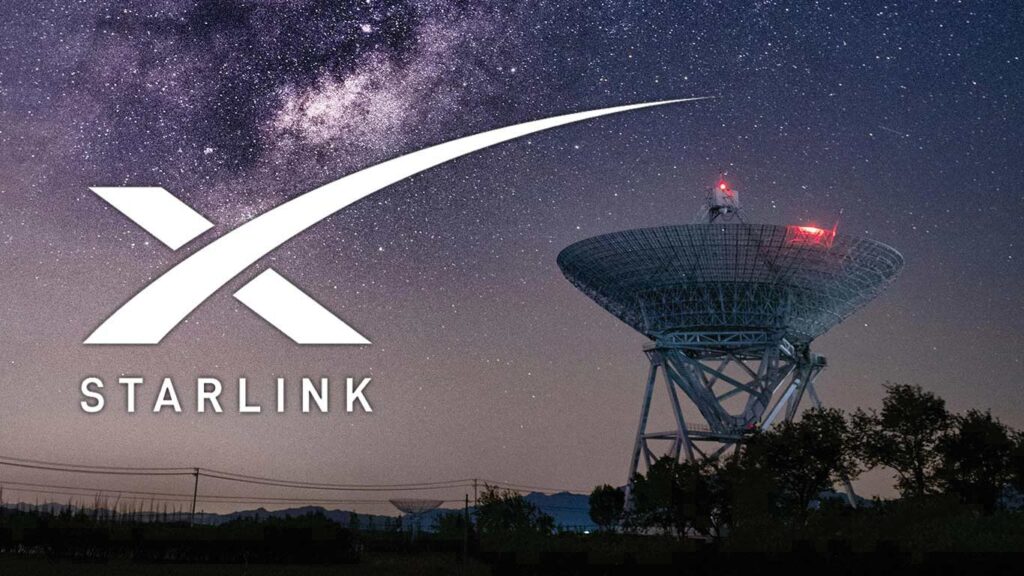
Elon Musk’s satellite internet venture Starlink has taken a significant step in strengthening its footprint in India by leasing its first office space in New Delhi, marking a pivotal moment in its entry strategy for the Indian market. The office, secured through premium flexible workspace provider CorporatEdge, reflects Starlink’s focus on establishing a strong operational presence in the National Capital Region (NCR) as it prepares for a full-scale launch of its satellite broadband services across the country. A Milestone in Starlink’s India Strategy According to reports, Starlink Satellite Communications — the India arm of Elon Musk’s SpaceX — has signed a lease for a 50-seater office location at the World Trade Centre in Delhi’s Nauroji Nagar, an address known for housing other global tech firms such as OpenAI. This flexible workspace offers premium services and is increasingly becoming a preferred choice among multinational companies looking for operational flexibility and proximity to India’s policy and business corridors. The Economic Times This move signals more than just a real estate decision — it shows Starlink’s intention to be at the heart of India’s technology and policy ecosystem. The presence in Delhi positions the company close to regulatory authorities, business partners, and key stakeholders crucial for its launch strategy. The Times of India Why Delhi? NCR as a Tech & Business Hub Choosing New Delhi for its first office in northern India is strategic. The capital city’s World Trade Centre is already emerging as a vibrant hub for international tech brands and innovation companies. Notably, OpenAI — another major global AI company — has also established its first India office in the same complex. Such clustering of tech companies enhances networking opportunities, access to professional talent, and visibility within India’s rapidly evolving digital economy. The Economic Times Starlink’s Broader India Ambitions Starlink has been navigating India’s regulatory landscape for several years. It previously received a Letter of Intent (LoI) from the Department of Telecommunications, which cleared the initial path toward offering satellite communication services in India. The company has also engaged with authorities on spectrum allocation and regulatory compliance, essential steps before commencing commercial operations. ETTelecom.com While Starlink’s official consumer rollout timeline in India remains subject to these final regulatory approvals, the establishment of an office in New Delhi is widely seen as a foothold that precedes the company’s operational launch. It hints at Starlink’s readiness to scale its activities and potentially start limited services in the near future. What This Means for Real Estate and Business Ecosystems The leasing of high-quality office space by a global technology player like Starlink underscores the broader trends in India’s commercial real estate market: 1. Rising Demand for Flexible Workspaces Multinational corporations increasingly prefer flexible or managed office formats over traditional long-term leases. These spaces allow firms to establish a presence quickly, scale up operations, and adapt without significant upfront investments. ETHRWorld.com 2. Premium Office Locations Are Becoming Strategic Assets Locations such as the World Trade Centre in New Delhi attract leading tech companies, signaling strong confidence in India’s business environment. For real estate investors and developers, this trend enhances the attractiveness and valuation of commercial properties in key urban centres. 3. Near-Term Boost for NCR Commercial Real Estate Starlink’s move may inspire similar tech brands to consider office space in Delhi and neighbouring areas, contributing to higher occupancy rates and future growth in commercial property values across the NCR. The Future: Satellite Internet and Beyond Starlink’s overarching mission in India goes beyond office space. The company aims to use its constellation of low-earth orbit (LEO) satellites to deliver high-speed broadband across remote, rural, and urban markets — bridging connectivity gaps that land-based networks often struggle to reach. ETTelecom.com With India’s internet user base at one of the world’s largest scales, Starlink’s eventual entry could bring competitive dynamics to broadband services, pushing innovation and potentially lowering access barriers in underserved regions. However, final commercial operations will depend on spectrum allocation and regulatory clearances from agencies such as the Indian National Space Promotion and Authorisation Centre (IN-SPACe). ETTelecom.com Conclusion Elon Musk’s Starlink leasing its first office space in New Delhi represents a meaningful strategic milestone in the company’s India expansion plans. Beyond real estate, it signals confidence in India’s market potential, telecom evolution, and commercial ecosystem. For observers of both technology and real estate sectors, this development highlights how global firms are positioning themselves in India — not just as market entrants, but as long-term contributors to digital transformation and economic growth. At RightKeyz, we continue to monitor key global and local developments — from regulatory shifts to corporate real estate moves — that shape the investment landscape and property trends across the country. 🔑 Your property knowledge begins with the right key. Elon Musk’s Starlink Leases First Office Space in New Delhi — A Strategic Move Ahead of India Launch Delhi Civic Body Proposes No Hike in Property Tax Rates for FY27: What It Means for Homeowners and Investors Boraki Railway Station: The Upcoming Multi-Modal Transport Hub Transforming Greater Noida’s Future Greater Noida’s Connectivity Push: What the New Roads, Bridges & Underpasses Mean for Homebuyers in 2025 Greater Noida’s New Underpass & Flyover Projects to Cut Travel Time by 40% in 2025 NCR Real Estate 2025: Why NCR Leads India’s Realty Boom Noida Metro Phase 2 Update: How New Routes Will Boost Property Demand in 2025 Why Greater Noida West Is Attracting First-Time Homebuyers in 2025 DND Flyway Expansion & FNG Expressway Update — How Connectivity Will Change NCR Living Why Families Are Choosing Noida Over Gurgaon in 2025 – A Complete Analysis Why Jewar Airport Is Set to Become India’s Biggest Real Estate Growth Trigger. Ready-to-Move vs Under-Construction Flats in Noida – What Should You Buy in 2025?
Delhi Civic Body Proposes No Hike in Property Tax Rates for FY27: What It Means for Homeowners and Investors

In a welcomed move for real estate stakeholders across the National Capital Region (NCR), the Delhi civic body has proposed not to increase property tax rates for the Financial Year 2027 (FY27). This decision comes at a crucial time when homeowners, investors, and developers are evaluating opportunities in residential and commercial real estate — and it is expected to have a positive impact on market sentiment, investment confidence, and urban affordability. What the Proposal Entails The Municipal Corporation of Delhi (MCD) has announced that it intends to maintain property tax rates at current levels for FY27. This decision means: No increase in residential property tax for homeowners. No rise in commercial property tax rates for businesses or investors. Tax brackets and valuation norms will largely remain unchanged. Relief for taxpayers amidst economic fluctuations and inflationary pressures. This proposal is significant, especially considering that many urban civic bodies often raise property taxes annually to offset rising public service costs. Why This Matters for Property Owners 1. Stable Ownership Costs Property tax is a recurring expense for every homeowner. Keeping these rates constant ensures that:✔ Monthly household budgets remain predictable✔ No new financial burden on families and residents✔ Owners can better plan for maintenance, upgrades, or expansions In an era of rising living costs, such stability is a breath of fresh air for homeowners across the city. 2. Increased Buyer Confidence Stable tax policies boost buyer confidence, especially among first-time homeowners. When property taxes remain unchanged:✔ Buyers feel more secure about long-term affordability✔ EMI planning and investment calculations become easier✔ Transparency attracts more genuine homebuyers As a result, this proposal could encourage more people to enter the property market with confidence. Investor and Developer Implications 1. Greater Predictability for ROI Real estate investors closely monitor recurring costs, including property taxes. A freeze on tax rates means:✔ Lower operating costs for rental properties✔ Better net yields for investors✔ Increased interest in long-term property holdings Investors who rely on robust cash flows — such as those with rental properties or commercial assets — stand to benefit from enhanced predictability. 2. Boost for Commercial Real Estate Commercial real estate often carries higher tax liabilities compared to residential properties. With tax rates unchanged:✔ Businesses can maintain operating budgets✔ Retail, office, and shop owners face no additional fiscal stress✔ Developers gain an edge in marketing properties as “tax-stable assets” This stability could indirectly fuel leasing activity and occupancy rates across commercial corridors. Impact on Delhi’s Real Estate Market The decision aligns with broader efforts to support urban affordability and retain property demand. Here’s how it could shape the Delhi market: 1. Strengthened Buyer Sentiment With economic headwinds and global uncertainties, predictable property taxation may: Enhance homebuyer sentiment Increase enquiries for both primary homes and investment properties 2. Positive Signal to the Market City policies that prioritize taxpayer benefits signal proactive governance.This may: Attract new investors from other Indian metros Encourage NRIs to explore housing options in the capital Spur demand in high-growth micro-markets 3. Spillover Benefits for NCR Neighboring regions such as Gurgaon, Noida, Greater Noida, and Ghaziabad often mirror Delhi’s market trends. A stable tax regime in Delhi could:✔ Improve overall demand in the NCR✔ Create competitive pricing among suburbs and satellite cities✔ Drive infrastructure-linked development in nearby zones What Experts Are Saying Real estate analysts highlight that tax stability is often underestimated yet critical for market dynamics. According to industry experts: “Property tax predictability influences investment decisions as much as interest rate trends and regulatory clarity.” Homebuyers today are more informed, financially savvy, and cautious — making tax certainty a real priority. How RightKeyz Advises Buyers & Investors At RightKeyz, we closely track market shifts, policy changes, and fiscal announcements that affect property buying and ownership. Our approach emphasizes: ✅ Comprehensive market research✅ Long-term investment perspective✅ Transparent guidance on costs and ownership implications✅ Support through buying, documentation, and decision-making Whether you’re seeking your first home in Delhi, an investment plot near emerging locations, or commercial opportunities, our team ensures your decisions are backed by actionable insights. Looking Ahead: What This Means for FY28 and Beyond While the proposal for FY27 freezes property tax rates, future expectations hinge on: MCD revenue needs Infrastructure development budgets Broader economic recovery However, an unchanged tax rate this year sets a positive precedent — one that underscores a buyer-friendly policy approach. Conclusion: Stability Strengthens Real Estate Confidence The decision by Delhi’s civic body to maintain property tax rates for FY27 is more than a fiscal announcement — it’s a reinforcement of market confidence, homeowner relief, and investor clarity. Real estate decisions are often long-term commitments; when taxation remains predictable, the path to ownership becomes clearer. At RightKeyz, we celebrate policies that empower homeowners and support real-estate growth. Knowledgeable buyers make smarter decisions — and we are here to guide you every step of the way. Delhi Civic Body Proposes No Hike in Property Tax Rates for FY27: What It Means for Homeowners and Investors Boraki Railway Station: The Upcoming Multi-Modal Transport Hub Transforming Greater Noida’s Future Greater Noida’s Connectivity Push: What the New Roads, Bridges & Underpasses Mean for Homebuyers in 2025 Greater Noida’s New Underpass & Flyover Projects to Cut Travel Time by 40% in 2025 NCR Real Estate 2025: Why NCR Leads India’s Realty Boom Noida Metro Phase 2 Update: How New Routes Will Boost Property Demand in 2025 Why Greater Noida West Is Attracting First-Time Homebuyers in 2025 DND Flyway Expansion & FNG Expressway Update — How Connectivity Will Change NCR Living Why Families Are Choosing Noida Over Gurgaon in 2025 – A Complete Analysis Why Jewar Airport Is Set to Become India’s Biggest Real Estate Growth Trigger. Ready-to-Move vs Under-Construction Flats in Noida – What Should You Buy in 2025? Greater Noida West: Upcoming Infrastructure Projects That Will Boost Property Prices in 2025 Luxury Housing Demand Surging in India’s Major Cities: What’s Driving the Boom?
Greater Noida’s Connectivity Push: What the New Roads, Bridges & Underpasses Mean for Homebuyers in 2025

Connectivity is consistently among the top factors that shape real estate demand — especially in fast-growing corridors like Greater Noida and Noida. As 2025 unfolds, a set of critical road and infrastructure upgrades — particularly the long-pending link between LG Chowk and Knowledge Park 3 — are gaining momentum. Once completed, these projects could deliver a major boost to property demand, value, and livability across Greater Noida. Here’s what’s happening, why it matters, and how potential homebuyers & investors should interpret this shift. What’s Changing: The Key Connectivity Projects 🔹 LG-Chowk ↔ Knowledge Park 3: 1.5 km Road Link Finalised After years of delay due to land ownership issues, the main 1.5 km stretch linking LG Chowk to Knowledge Park 3 has finally been cleared for construction — the land dispute is resolved, and GNIDA has approved a ₹31 crore budget for the complete six-lane road with service lanes, central median, drainage, and proper layout. Hindustan Times+1 This small but critical link was long a bottleneck, forcing traffic to detour via congested junctions and making commuting between Noida and Greater Noida inefficient. Once done, travel will become cleaner, faster and safer — especially for residents commuting to work, school, or expressway. Hindustan Times 🔹 New Bridge, Underpass & Flyover Projects Around Greater Noida The city is also seeing plans for a new 3-lane RCC (reinforced-concrete) bridge near Sector P-3 roundabout to smooth traffic from Knowledge Park / Noida Expressway toward Pari Chowk and beyond. This is part of a broader plan to widen and modernize multiple drain-bridges/links which historically caused delays. The Times of India+1 Additional elevated corridors and link roads — including plans for a 4 km elevated road from Greater Noida West to NH-9 / DME (Delhi-Meerut Expressway) — aim to decongest main traffic arteries and provide efficient connectivity to outlying sectors and industrial zones. aceupdate.com+1 🔹 Strategic Regional Connectivity — Not Just Local Road Fixes These upgrades come alongside other major infrastructure developments: metro-extensions, expressway upgrades, improved link roads to the upcoming airport etc. This layered connectivity makes Greater Noida more accessible from multiple directions — not only Noida but also Ghaziabad, expressways, and future airport corridors. India Today+2Hindustan Times+2 Why This Connectivity Push Matters — and Who Wins 1. Seamless Commute = Better Livability With smoother roads and fewer bottlenecks: Daily commuters will save significant time commuting between Noida, Greater Noida, Knowledge Parks, workplaces, expressways. Locations earlier considered “remote” or “inconvenient” become viable for families, working professionals, students — expanding the demographic base. Less traffic stress + better accessibility improves overall living quality. 2. Real Estate Value Appreciation & Demand Surge Once connectivity improves, demand for homes in sectors near these roads (LG-Chowk, Knowledge Parks, Greater Noida West, adjoining sectors) is likely to spike. Buyers and investors often pay a premium for good connectivity; early investment before full completion could yield higher capital appreciation. Rental demand may also increase — especially among those working in Noida but wanting affordable yet reachable homes in Greater Noida. 3. Balanced Urban Expansion — Relieving Pressure on Noida Core As Greater Noida becomes more accessible, more population and economic activity will shift there. This reduces pressure on central Noida’s housing and infrastructure. Developers will be incentivized to launch new residential and mixed-use projects — improving supply and variety. More balanced growth across NCR: cities with good connectivity tend to grow more densly and sustainably. 4. Growth of Social & Commercial Infrastructure With better roads, educational institutions, healthcare, retail and commercial hubs become more viable — raising the region’s overall appeal. For example, easier access between Knowledge Park and residential zones encourages educational institutions/business hubs to expand, creating jobs and services nearby. 5. Investment Opportunity for Smart Homebuyers & Investors Those who invest now (before full completion) stand to gain both from capital appreciation and future demand. Properties in well-connected sectors offer better resale/rental potential — making them great for medium- to long-term investment strategies. What to Watch — Risks & Considerations Any infrastructure project depends on timely execution. Delays in land acquisition, approvals, or construction can postpone benefits. (Historically some projects faced delays.) The Times of India+1 Increased demand may lead to price escalation — making homes less affordable for new buyers. Traffic may rise post-development as more people move or commute via these links; traffic management and auxiliary infrastructure (parking, public transport, last-mile connectivity) will become important. Buyers should check internal amenities, utilities, and developer track record before investing — connectivity is only one factor. What This Means for RightKeyz & Its Clients As a real estate firm, this wave of connectivity upgrades is a golden opportunity: You can market homes in Greater Noida — especially near LG-Chowk / Knowledge Park / Greater Noida West — as future-proof investments with improved access. Perfect time for investor-targeted campaigns: showcase expected appreciation, upcoming demand, good commute times. Ideal for first-time buyers & investors who want affordability + long-term growth — Greater Noida becomes competitive with Noida core or other NCR zones. Use this infrastructure narrative to highlight ready-to-move / near-completion projects for prompt booking. Greater Noida’s Connectivity Push: What the New Roads, Bridges & Underpasses Mean for Homebuyers in 2025 Greater Noida’s New Underpass & Flyover Projects to Cut Travel Time by 40% in 2025 NCR Real Estate 2025: Why NCR Leads India’s Realty Boom Noida Metro Phase 2 Update: How New Routes Will Boost Property Demand in 2025 Why Greater Noida West Is Attracting First-Time Homebuyers in 2025 DND Flyway Expansion & FNG Expressway Update — How Connectivity Will Change NCR Living Why Families Are Choosing Noida Over Gurgaon in 2025 – A Complete Analysis Why Jewar Airport Is Set to Become India’s Biggest Real Estate Growth Trigger. Ready-to-Move vs Under-Construction Flats in Noida – What Should You Buy in 2025? Greater Noida West: Upcoming Infrastructure Projects That Will Boost Property Prices in 2025